 TechBlonhub A new digital technology era.
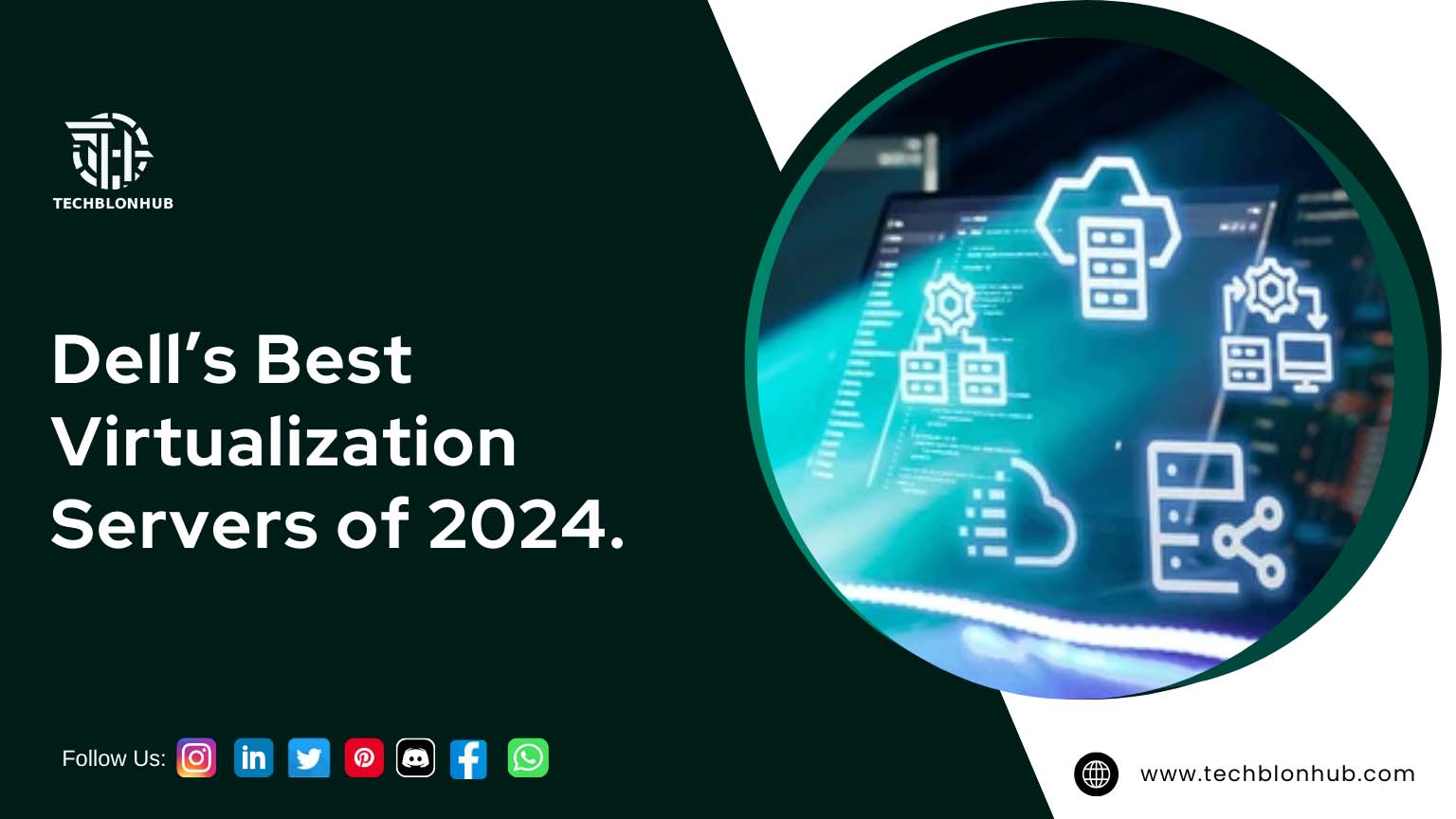

Servers for Virtualization: Best Dell Options for 2024
Servers for virtualization are the backbone of modern IT infrastructure, allowing businesses to run multiple virtual machines on a single physical system. This improves efficiency, reduces hardware costs, and makes scaling easier for growing companies. Whether you’re setting up a lab environment or building a production system, choosing the right hardware is critical for performance and stability.
Dell remains one of the most trusted brands for virtualization servers due to its reliability, scalability, and strong enterprise support.
What Are Servers for Virtualization?
Servers for virtualization are physical machines designed to host multiple virtual environments using a hypervisor such as VMware ESXi, Microsoft Hyper-V, or KVM. Each virtual machine (VM) acts like an independent computer with its own operating system and applications.
Key benefits include:
- Better hardware utilization
- Reduced operational costs
- Easier system backups and recovery
- Improved scalability for businesses
For businesses looking for a small business computer setup or scalable infrastructure, virtualization servers provide long-term flexibility.
Key Factors to Consider Before Choosing Virtualization Servers
When selecting servers for virtualization, performance bottlenecks can significantly impact your workloads. That’s why hardware planning is essential.
Processor (CPU) Performance
- More cores = better VM handling
- Intel Xeon processors are commonly used
- Higher cache improves multi-tasking efficiency
RAM Capacity
- Minimum 16GB for small workloads
- 32GB–128GB recommended for business use
- ECC RAM improves stability
Storage Type
- SSDs offer faster VM boot times
- RAID configurations improve data safety
- NVMe is ideal for high-performance environments
Networking Capability
- Dual or multi-port NICs reduce traffic congestion
- 1GbE minimum, 10GbE preferred for scaling
Best Dell Servers for Virtualization
Dell offers a strong lineup of servers suitable for both entry-level and enterprise virtualization environments.
Dell PowerEdge T330
A reliable tower server designed for small business environments.
- Intel Xeon E-2124 processor
- Up to 32GB RAM support
- Expandable storage up to 8TB
Ideal for businesses starting with virtualization workloads or looking for a best desktop computer small business alternative in server form.
Dell PowerEdge R610
A rack server built for stable virtualization performance.
- Intel Xeon E5540 processor
- 32GB RAM
- Dual SAS drives with RAID support
Best suited for structured IT environments and lab setups.
Dell PowerEdge T30
Compact and budget-friendly virtualization server.
- Intel Xeon E3-1225 processor
- 8GB RAM (expandable)
- 1TB SATA storage
A good entry point for startups needing computers for small businesses with virtualization capabilities.
Dell PowerEdge R710
A powerful and scalable enterprise-grade server.
- Dual Intel Xeon E5540 processors
- 72GB RAM
- Multiple storage drive support
Ideal for growing workloads and multi-VM environments.
Dell PowerEdge R810
High-performance virtualization powerhouse.
- Quad Intel Xeon E7 processors
- Large memory capacity
- Enterprise RAID storage
Designed for heavy virtualization and data center operations.
Virtualization Use Cases for Small Businesses
Servers for virtualization are not just for large enterprises. They are increasingly used in:
- Accounting systems
- CRM hosting
- Software testing environments
- Internal business applications
This makes them a cost-effective alternative to multiple physical machines, especially for companies building a small business computer infrastructure.
Why Dell Is a Strong Choice for Virtualization
Dell servers are widely used due to:
- High hardware reliability
- Strong BIOS and management tools
- Long-term upgrade support
- Compatibility with major hypervisors
These features make Dell one of the most dependable options for virtualization workloads in both small and large environments.
Conclusion
Choosing the right servers for virtualization depends on workload size, budget, and scalability needs. Dell PowerEdge servers provide flexible options ranging from entry-level tower systems to enterprise-grade rack servers. For businesses planning future growth, investing in the right virtualization hardware ensures better performance, reduced downtime, and improved efficiency.
Read also: Best Dell Laptops 2025
FAQs
1. What is a server for virtualization used for?
A virtualization server runs multiple virtual machines on one physical system, allowing better hardware usage and reduced costs for businesses.
2. Is Dell good for virtualization servers?
Yes, Dell PowerEdge servers are widely used for virtualization because they offer strong performance, scalability, and compatibility with major hypervisors.
3. How much RAM is needed for virtualization servers?
For basic use, 16GB is enough, but most business environments require 32GB or more for smooth multi-VM performance.
4. Can small businesses use virtualization servers?
Yes, small businesses often use virtualization servers to reduce hardware costs and run multiple applications on a single machine.
5. Which Dell server is best for beginners in virtualization?
The Dell PowerEdge T30 is a good entry-level option for beginners due to its affordability and basic virtualization support.

Author: AJ
As a passionate blogger, I'm thrilled to share my expertise, insights, and enthusiasm with you. I believe that technical knowledge should be shared, not hoarded. That's why I take the time to craft detailed, well-researched content that's easy to follow, even for non-tech. I love hearing from you, answering your questions, and learning from your experiences. Your feedback helps me create content that's tailored to your needs and interests