 TechBlonhub A new digital technology era.


A doorbell camera can now identify a package delivery, a driveway camera can flag an unfamiliar vehicle, and a smart lock can confirm whether the back door was left open. Those conveniences explain why smart home security trends are moving quickly. They also raise a harder question for homeowners and IT-minded buyers: which upgrades truly reduce risk, and which simply add another internet-connected device to manage?
The answer matters because home security is no longer separate from the network. Cameras, sensors, locks, hubs, phones, Wi-Fi routers, cloud accounts, and voice assistants can all sit in the same security chain. A strong setup is less about buying the most devices and more about choosing a system that protects the property without creating privacy gaps, weak accounts, or unreliable alerts.
Smart Home Security Trends Shaping 2026
AI detection is becoming more useful, not just more common
Artificial intelligence has been part of security cameras for years, but the value is shifting from basic motion detection to event classification. Better cameras can distinguish people, pets, vehicles, packages, and sometimes familiar faces. That reduces the constant stream of alerts caused by tree branches, headlights, or a neighbor walking their dog.
For a busy household, fewer false alerts can make a major difference. If every camera notification is meaningless, users stop checking them. A camera that sends an alert only when a person enters a restricted area is far more likely to prompt action.
Still, AI detection is not magic. Performance changes with lighting, camera angle, weather, and the quality of the local or cloud processing. Facial recognition deserves extra caution. It may be convenient for identifying household members, but it introduces sensitive biometric data and can make mistakes. For most homes, person, vehicle, and package detection deliver the useful part of AI without requiring face identification.
Local video storage is gaining ground
Cloud storage remains popular because it is simple. Footage is available from anywhere, recordings can survive a stolen camera, and many services include AI features with a subscription. But recurring fees and privacy concerns are pushing more buyers toward cameras with local storage, network video recorders, or home servers.
Local recording can reduce long-term costs and keep more footage under the owner’s control. It also avoids losing access to recording features if a subscription expires. For homes with several cameras, those savings can become significant over a few years.
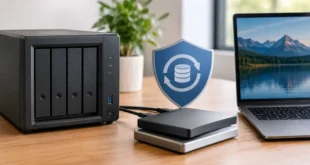
The trade-off is responsibility. Local storage needs enough capacity, secure remote access, backups, and power protection. A camera recording to an SD card may be better than no recording, but an intruder who takes or damages the camera can take the evidence with it. A network video recorder stored in a protected location offers a stronger approach, particularly for larger homes or small offices.
Edge processing reduces dependence on the cloud
More cameras are processing video on the device itself, or at the edge of the home network. Instead of uploading every frame for analysis, the camera or hub identifies an event locally and sends only the alert or relevant clip.
This can improve response times and reduce bandwidth use, especially on connections with limited upload speeds. It can also limit how much raw video leaves the property. For privacy-conscious users, that is a meaningful improvement.
Not every edge-enabled product is equally private, though. Check what data still reaches the vendor, whether remote viewing requires a vendor account, and how long event data is retained. “Local AI” does not automatically mean “no cloud connection.”
Smart locks are moving toward better access control
Smart locks are becoming more practical for families, rental owners, and small businesses that need to manage access without copying physical keys. Temporary PINs, scheduled access, auto-locking, and activity logs can solve real problems. A cleaner can receive a code that works only during a planned visit. A teen can get in after school without carrying a key. A property manager can revoke access immediately when a tenant changes.
The best smart lock feature is still the one that prevents a basic mistake: leaving the door unlocked. Auto-locking and door-position sensors are more valuable for many people than flashy integrations.
Compatibility matters here. Some locks use Wi-Fi directly, while others rely on Bluetooth, Thread, Z-Wave, Zigbee, or a proprietary hub. Direct Wi-Fi can be easier to install but may consume more battery. Hub-based standards can offer better battery life and more dependable automation, but they add setup complexity. Before buying, verify that the lock works with the platform and network already in use.
Matter and Thread are making mixed-device homes easier
The Matter smart-home standard and Thread networking protocol are changing the buying decision for connected sensors, lights, locks, and other devices. Their promise is simple: fewer isolated ecosystems and better interoperability across major smart-home platforms.
For security, interoperability has practical benefits. A door sensor can trigger lighting, a camera can activate recording, and a smoke alarm can turn on exit lights without forcing every device into one vendor’s app. Thread’s mesh design can also improve reliability for low-power devices that sit far from the Wi-Fi router.
However, support labels can be confusing. A product may support Matter but expose only certain features through Matter, while advanced camera controls or AI analytics remain limited to the manufacturer’s app. Treat Matter as a useful compatibility layer, not a guarantee that every feature will work everywhere.
The Security Layer Most Buyers Miss: The Home Network
A smart camera is only as trustworthy as the network and account protecting it. Many security failures do not come from someone defeating a door lock. They come from reused passwords, outdated router firmware, exposed remote access, or a compromised email account tied to the security app.
Start with the router. Use WPA3 when available, install firmware updates, disable remote administration unless it is genuinely needed, and replace the default administrator password. If the router supports guest networks or VLANs, place cameras and other IoT devices on a separate network from laptops, work systems, and network-attached storage.
Network segmentation is especially worthwhile for IT professionals, remote workers, and households with many connected devices. It limits what an insecure camera or plug can reach if it is compromised. A simpler household may not need a managed switch and multiple VLANs, but it should at least use a guest or IoT SSID where possible.
Account security deserves the same attention. Create unique passwords for every security platform, turn on multi-factor authentication, and review which family members or former residents still have access. If a vendor offers security notifications for new logins, enable them.
What to Prioritize Before Buying More Devices
Start with the risks around the property, not the product category. A front-door package problem calls for a doorbell camera with a clear view of the delivery zone. Poor visibility around a side gate may call for a weather-rated camera and motion lighting. A frequently forgotten garage door may be better addressed by a contact sensor and automatic close alerts than by another camera.
Then consider reliability. Battery cameras are easy to place, but cold weather, frequent activity, and weak Wi-Fi can shorten battery life. Wired cameras require more installation work but are often more dependable for continuous recording. Power over Ethernet cameras are particularly attractive for larger properties because one cable carries both data and power, though they need compatible network hardware and cabling.
Also calculate the full cost. A low-priced camera can become expensive when subscriptions are required for recordings, AI alerts, or extended history. Compare the monthly plan, local storage option, warranty, replacement battery cost, and whether the device remains useful without a paid tier.
Privacy Is Part of Physical Security
Security cameras can protect a home while still collecting more data than necessary. Position cameras toward entrances, driveways, and private property rather than neighboring windows or public areas. Use activity zones to avoid recording every passing car. Turn off audio recording if it provides little value, and review retention settings instead of keeping footage indefinitely.
Vendor practices matter as much as hardware specifications. Look for clear statements on encryption, account protection, software update support, and data-sharing policies. Products that receive regular firmware updates are generally a safer long-term bet than cheap devices with unclear support history.
The best smart home security setup is not the one with the most sensors or the most aggressive AI features. It is the one that reliably alerts the right people, preserves useful evidence, respects privacy, and stays manageable after the excitement of installation is gone. Build around real risks, secure the network beneath it, and choose devices you will still be willing to update and monitor next year.