 TechBlonhub A new digital technology era.
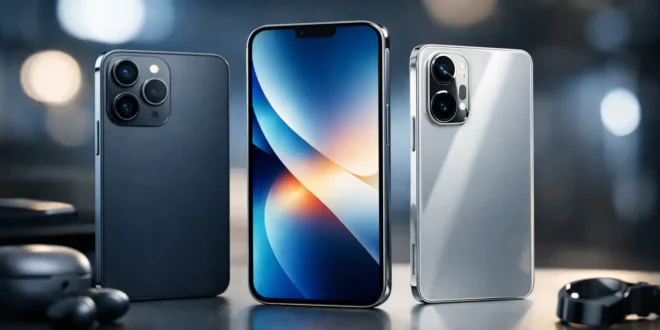

New Smartphone Launches Worth Watching
A flashy camera demo and a polished keynote can make every device feel essential. That is why new smartphone launches deserve a closer look before you upgrade. For most buyers, the smartest move is not chasing the loudest release, but figuring out which phone will still feel fast, secure, and practical a year from now.
That matters even more now because smartphones are no longer just consumer gadgets. They are work devices, mobile hotspots, MFA tools, cameras, payment terminals, and in many cases the most-used computer a person owns. A bad buying decision does not just cost money—it can affect battery life on long workdays, app performance in the field, and how long you receive security updates.
Why new smartphone launches matter more than the hype
The best reason to follow new smartphone launches is not novelty, but timing. New releases reset pricing across the market, push older flagships into better value territory, and introduce features that may genuinely improve daily use.
Take on-device AI. It is heavily marketed, but the real question is whether it improves tasks you already do—writing, transcribing meetings, summarising messages, editing photos, or handling multilingual communication. Some AI features genuinely save time. Others exist mainly for launch-day excitement.
Camera upgrades follow the same pattern. A larger sensor or improved processing can matter a lot if your phone is your content tool, inspection camera, or document scanner. But headline specs alone do not guarantee better results if motion handling, colour consistency, or video stabilisation are weak.
Connectivity is another area where marketing often underplays real value. For IT users and professionals, modem performance, Wi-Fi standards, and 5G band support can matter more than display brightness or design changes. If you rely on tethering, remote access, or field communication, these details directly affect productivity.
What to check before buying after new smartphone launches
Launch events sell aspiration. Your job is to evaluate longevity.
Start with chipset efficiency, not just raw speed. Most modern smartphones are already fast enough for daily tasks. What matters is sustained performance—how the device behaves under heat, multitasking, long camera sessions, or heavy network use. A phone that throttles quickly will age poorly, no matter how strong its benchmark scores look.
Software support is equally important. A device with five to seven years of updates is often a better investment than one with slightly stronger hardware but a short support window. Security updates are not optional anymore—they are part of long-term ownership value.
Battery life should also be judged realistically. Display refresh rates, background AI processes, modem efficiency, and app behaviour all affect endurance. Fast charging is useful, but it does not compensate for poor all-day stability.
Durability and repairability are often overlooked until something goes wrong. Slim designs, premium materials, and complex internal builds may look impressive, but they can increase repair costs. Battery replacement, screen servicing, and water resistance after repair are all worth factoring in.
Flagships, foldables, and midrange phones
One of the biggest shifts in recent new smartphone launches is how narrow the gap has become between premium and midrange devices.
Flagships still lead in camera systems, display quality, materials, and long-term support. They also tend to offer better video processing and stronger overall hardware. If your phone is central to work, travel, or content creation, these differences still matter.
Midrange phones, however, have improved dramatically. Many now offer smooth displays, reliable cameras, strong batteries, and enough performance for everyday workloads. The trade-offs are usually in refinement—less advanced camera systems, weaker zoom, reduced build materials, or shorter update cycles.
Foldables remain the most experimental category. They offer real advantages in multitasking and portability, but they also come with durability concerns and higher repair costs. For some users they are highly productive tools, but for others they remain a premium experiment.
In many cases, the smartest decision after major new smartphone launches is to buy last year’s flagship. It often delivers better build quality and cameras than a new midrange phone at a similar price point.
The specs that get too much attention
Marketing often highlights numbers that do not reflect real-world experience.
Megapixels are the most common example. A well-optimised 50MP camera can outperform a poorly tuned 108MP or 200MP system. Sensor quality, lens performance, stabilisation, and software processing matter far more than raw resolution.
Peak brightness is another misleading figure. Some devices reach impressive numbers only under specific conditions, which may not translate into daily use.
RAM is also frequently overstated. More memory helps multitasking, but optimisation plays an equal role. A well-tuned phone with less RAM can outperform a poorly optimised device with more.
Even AI branding needs scrutiny. If a company does not clearly explain whether features run locally, rely on the cloud, or require subscriptions, it is worth treating those claims carefully.
What business users and IT-minded buyers should prioritise
If your smartphone is part of your workflow, you should evaluate it like any other business tool.
Security is critical. Biometrics, app isolation, encryption, and update policies all matter because phones now store banking apps, work credentials, and authentication tools.
Enterprise features are also important. Reliable eSIM support, stable VPN performance, strong hotspot functionality, USB-C data transfer, and ecosystem compatibility all affect real productivity.
This is where buyers already familiar with enterprise tech—routers, switches, laptops, and managed systems—have an advantage. The same logic applies here: evaluate stability, support, and integration rather than marketing appeal.
Retail platforms such as GNTME also reflect this shift, helping users compare devices not just by specs but by real-world usability and practical tech integration.
When you should upgrade and when you should wait
The best time to buy is not always launch week.
Upgrade if your current phone no longer receives updates, battery performance is unreliable, storage is consistently full, or performance impacts daily work.
Wait if your current device is still secure and functional. Incremental improvements in camera processing or AI features rarely justify an immediate upgrade.
It is also often smart to wait a few weeks after major launches. Early reviews reveal real-world issues, pricing stabilises, and trade-in offers become clearer. Android devices in particular often see faster price drops after initial launch cycles compared to iPhones.
The smarter way to read launch season
Treat launch season as insight, not instruction. It shows where the industry is heading—better AI integration, improved cameras, stronger thermals, more efficient chips, and tighter ecosystems—but it does not automatically mean the newest phone is the right purchase.
The right smartphone is the one that fits your workflow, survives your usage cycle, works reliably with your apps and network, and stays secure long enough to justify its cost. Sometimes that is the newest flagship. Sometimes it is a discounted premium model. Sometimes it is a midrange device that simply does everything well enough without friction.
FAQs
1. Are new smartphone launches worth upgrading for every year?
Not usually. Most yearly upgrades are incremental. It is better to upgrade when your current phone no longer meets performance, battery, or security needs.
2. What matters more than specs in new smartphones?
Real-world performance—battery stability, software support, camera consistency, and connectivity reliability matter more than headline specifications.
3. Is AI in smartphones actually useful?
Sometimes. AI is useful when it improves productivity tasks like transcription, editing, or messaging, but many features are still marketing-driven.
4. Should I choose a flagship or midrange phone?
Flagships are better for heavy users and creators. Midrange phones are now strong enough for most users and often offer better value.
5. How important is connectivity in modern smartphones?
Very important. Stable network performance, modem efficiency, and 5G band support directly affect speed, tethering, and work reliability.

Author: AJ
As a passionate blogger, I'm thrilled to share my expertise, insights, and enthusiasm with you. I believe that technical knowledge should be shared, not hoarded. That's why I take the time to craft detailed, well-researched content that's easy to follow, even for non-tech. I love hearing from you, answering your questions, and learning from your experiences. Your feedback helps me create content that's tailored to your needs and interests